
The science of heroin addiction
- Nov 13, 2014
- 3 min read
Addiction comprehension depends on analyzing opioid influences on brain activity. Three South Jersey specialists explain the opiate’s physiological effects and the difficulty in recovery.

Paola Leone has spent 10 years at the University of Medicine and Dentistry as Associate Professor of UMDNJ School of Osteopathic Medicine and Director of Cell and Gene Therapy Center. “The person has a void,” she said. “It [the opiate] makes them reduce their guards and anxieties. They feel right in what they’re searching for.”
Some people have a predisposition to opiate abuse, although everyone is prone to some form of addiction, not necessarily drug-related, she said.
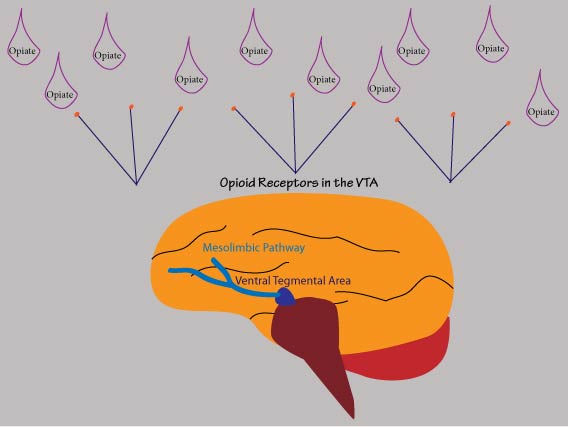
“Opiates work in the ventral tegmental area of the brain, which is rich in opioid receptors. This is the originating area for the reward pathway that is located in the mesolimbic system,” she said. “It’s driven by dopamine. The opioid receptors are designed to help through pain. This is universal for all mammals.”
“Getting high is actually the saturation of opioid receptors,” said Associate Professor of Pharmacology and Cause Director of Pharmacology Bernd Spur, who has been at UMDNJ for 17 years.
“Pain does two things: it tells you that you’re still alive and it starts the body’s repair mechanisms,” he said. “It’s the structure of the opiate molecule that makes it so addictive. It binds well with the receptors.”
The opiate's molecular structure snuggly fits with the brain's natural opioid receptors, releasing excessive levels of pain-relief chemicals.

“One of the body’s natural painkillers is enkephalin, which has two compounds that resemble morphine,” said Dr. Michael Mirmanesh, MD, who is a primary care physician in Marlton, NJ and has been practicing for 12 years. “When opiates bind with the receptors, you can’t feel pain. They block the release of acetylcholine, which is needed to regenerate the body.”
According to Spur, morphine forms the basic compound. Oxycodone and other derivatives fit less effectively than morphine, but the side effect remains universally similar. Heroin causes more intense effects than morphine, however - surprisingly - morphine fits the receptors better than heroin.
“It takes acetic anhydride to turn morphine into heroin,” he said. “If you have these materials, you will have the FBI at your door.”
“Codeine is the closest thing to morphine,” Leone said. “They are nonsynthetic opiates. In synthetic opiates, the active principle is isolated, such as heroin. Different opiates are metabolized depending on the enzyme they’re made with. Generally, the stronger the drug, then the longer half-life is.”
Users with callus receptors use more heroin to boost receptor activity, the recipe for overdose.
“This is something unique to humans and primates because other animals cannot overdose,” Leone said. “There is quite a lot of opium in Eucalyptus plants. That’s why koala bears sleep all the time.”
According to Leone, opiate abuse shorts out the natural opioid receptors, causing the user to build a tolerance. During the withdraw phase, the dull receptors experience pain and the lack of pleasure chemicals throws the body into trauma.
“The brain cannot feel pain, it can only receive it. It goes through the same discomfort the stomach goes through when it’s hunger,” she said.
“Right now, they’re coming up with drugs that can attach to the receptors without producing the side effect of being high,” Spur said.
“The FDA determines medications by weighing the benefits against the risks,” Mirmanesh said. “If the benefits outweigh the risks, then the drug is approved. While the medication is on the market, if the risks start to outweigh the benefits, the medication gets pulled. The U.S. has stricter guidelines that any other nation on studying medication and approving them.”
Despite the FDA's best efforts, N.J. continues to grow more hooked.
“It’s like rolling down a hill with no end to it,” Leone said.


Comments